
Buying your first home in the Shenandoah Valley or Blue Ridge corridor is genuinely exciting — and more achievable than most buyers realize. According to Virginia REALTORS Market Reports, median home prices in Rockingham County have hovered around $285,000, and Augusta County has tracked near $255,000 — price points where a stacked combination of federal, state, and local programs can dramatically reduce or eliminate the cash you need at closing.
Here’s what most retail bank loan officers in Harrisonburg, Staunton, Waynesboro, Winchester, Front Royal, Luray, and Woodstock will never show you in a single conversation: you can layer USDA zero-down financing with Virginia Housing down payment assistance, seller-paid rate buydowns, and no-out-of-pocket closing options into a financing package that genuinely changes what homeownership costs you on day one.
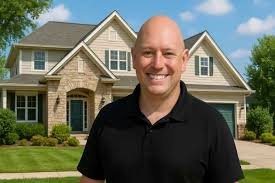
That’s the broker advantage. Duane Buziak, NMLS #1110647, operates as an independent mortgage broker through Coast2Coast Mortgage LLC, NMLS #376205 — not a bank, not a retail lender. That distinction matters because it means access to 500+ wholesale lenders and every program listed in this guide, priced at wholesale rates retail institutions simply cannot match.
Below, you’ll find the seven strongest first-time home buyer programs available to Valley buyers right now, including a worked dollar example comparing USDA and FHA monthly payments on a real Valley purchase price, a head-to-head broker vs. bank comparison table, and an eight-question FAQ built around the specific counties and cities where you’re shopping. Let’s get into it.
1. USDA Rural Development Loans: Zero Down for Shenandoah Valley Buyers
The Challenge It Solves
The single biggest barrier for first-time buyers in the Valley isn’t income — it’s the down payment. Saving 3.5% to 20% of a $275,000 purchase price while paying rent takes years. USDA Rural Development loans eliminate that barrier entirely with zero down payment required, and most of the geography served by Blue Mountain Mortgages qualifies.
The Strategy Explained
USDA Rural Development Section 502 loans are available in eligible rural and suburban areas — and Rockingham, Augusta, Shenandoah, Warren, Page, and Frederick counties are largely USDA-eligible. Harrisonburg city proper has ineligible zones near the urban core, so boundary confirmation matters; use the USDA Property Eligibility Map to confirm your specific address before assuming eligibility.
The program carries no traditional private mortgage insurance (PMI). Instead, USDA charges an upfront guarantee fee of 1.0% of the loan amount (which can be rolled into the loan) and an annual fee of 0.35% of the outstanding balance, per USDA Rural Development. That annual fee is significantly lower than FHA’s mortgage insurance premium structure.
Income limits apply and are county-specific. Based on current USDA eligibility guidelines, 2026 income limits for a 1-4 person household in Rockingham and Augusta counties are approximately $112,450, with 5-8 person household limits near $148,450. Shenandoah, Warren, Page, and Frederick counties follow similar thresholds — confirm the exact current figure for your county at the USDA eligibility portal before application, as these limits adjust periodically.
Implementation Steps
1. Confirm your property address is in a USDA-eligible area using the USDA eligibility map.
2. Verify your household income falls within the county-specific limit for your household size.
3. Contact Duane Buziak at 804-212-8663 for a NoTouch Credit Pull — a soft-pull pre-qualification that does not impact your credit score, unlike the hard pull required by retail lenders like Rocket Mortgage and ALCOVA Mortgage Staunton for the same pre-approval terms.
Worked Dollar Example: USDA vs. FHA on a $275,000 Purchase
Let’s run the real math on a $275,000 home in a USDA-eligible part of Augusta County.
USDA Zero Down: Loan amount after rolling in the 1.0% upfront guarantee fee = $277,750. At a 6.75% rate on a 30-year term, principal and interest = approximately $1,801/month. Annual fee (0.35% of balance) = approximately $81/month. Total estimated payment: approximately $1,882/month, plus taxes and insurance. Cash to close: near zero with seller concessions covering closing costs.
FHA 3.5% Down: Down payment = $9,625. Loan amount = $265,375, plus 1.75% upfront MIP rolled in = $270,022. At the same 6.75% rate, P&I = approximately $1,752/month. Annual MIP at 0.55% (per HUD.gov) = approximately $124/month. Total estimated payment: approximately $1,876/month, plus taxes and insurance. Cash to close: $9,625 down plus closing costs.
The monthly payment difference is modest — but USDA requires zero cash to close vs. FHA requiring nearly $10,000 before closing costs. For most Valley first-time buyers, that’s the deciding factor.
Pro Tips
F&M Mortgage, led by Tonja Showalter Armentrout, offers USDA as a single-bank product from one shelf. Duane shops USDA across 500+ wholesale lenders, which means better rate competition on the same zero-down structure. When USDA eligibility is confirmed, this is almost always the strongest first-time buyer program in the Valley.
2. Virginia Housing Down Payment Assistance: Stack It on Any Loan
The Challenge It Solves
Even when a buyer qualifies for a low-down-payment loan, closing costs — origination fees, title, recording, prepaid items — can add $5,000 to $10,000 to the cash needed at the table. Virginia Housing’s Down Payment Assistance grant addresses this directly, and it layers on top of FHA, VA, USDA, or conventional loans.
The Strategy Explained
Virginia Housing (formerly VHDA) offers a Down Payment Assistance (DPA) grant that does not require repayment — it is a true non-repayable grant, not a second mortgage, per the Virginia Housing DPA program page. The grant amount is calculated as a percentage of the first mortgage loan amount. Income and purchase price limits apply by county and household size; confirm current limits for Rockingham, Augusta, Shenandoah, Warren, Page, and Frederick counties directly at virginiahousing.com, as these are updated periodically.
Participation requires completion of a Virginia Housing-approved homebuyer education (HBE) course, which is available online. The course is a one-time requirement and takes a few hours to complete.
When you stack Virginia Housing DPA with seller concessions — which can reach up to 6% on FHA loans and 3-4% on conventional loans — you can engineer a true no-out-of-pocket closing scenario. This is where the broker advantage becomes concrete: Duane pairs the DPA grant with wholesale-priced base loans that retail lenders cannot access, meaning the interest rate underneath the grant is more competitive from the start.
Implementation Steps
1. Complete the Virginia Housing-approved homebuyer education course at virginiahousing.com/home-buyers/homebuyer-education.
2. Confirm your household income and target purchase price fall within Virginia Housing’s current county-specific limits.
3. Ask Duane to pair the DPA grant with a wholesale-priced FHA, USDA, VA, or conventional first mortgage — and negotiate seller concessions to cover remaining closing costs.
Pro Tips
Many Valley buyers don’t realize the DPA grant can be stacked on top of USDA zero-down. If your property is USDA-eligible and your income qualifies for both programs, you may be able to close with essentially no cash out of pocket — a combination that very few retail bank loan officers will proactively surface in a single conversation.
3. FHA Loans: The Credit-Flexible Path for Harrisonburg and Staunton Buyers
The Challenge It Solves
Not every first-time buyer has a pristine credit file. JMU faculty and staff with student loan debt, younger Valley buyers building their credit history, and buyers who’ve had a past financial disruption often find that conventional loan credit standards are a barrier. FHA’s flexibility is designed for exactly this situation.
The Strategy Explained
FHA loans allow a 3.5% down payment with a 580+ credit score, and some lenders will work with scores as low as 500 with 10% down, per HUD.gov. That credit flexibility makes FHA the most accessible conventional-alternative program for buyers in Harrisonburg and Staunton who don’t qualify for USDA or VA.
FHA’s mortgage insurance structure consists of an upfront MIP of 1.75% of the loan amount (which can be rolled into the loan) and an annual MIP of 0.55% for 30-year loans with LTV above 90%, per current HUD guidance. Unlike conventional PMI, FHA annual MIP on loans with less than 10% down typically persists for the life of the loan — which is the primary reason USDA wins on monthly cost when the property is eligible.
Seller concessions up to 6% of the purchase price can cover closing costs entirely, creating a no-out-of-pocket closing scenario even with FHA. Duane’s NoTouch Credit Pull lets buyers check their FHA eligibility without a hard inquiry — a meaningful advantage over retail lenders who require a hard pull for the same pre-qualification.
Implementation Steps
1. Check your credit score and confirm it meets the 580+ threshold for 3.5% down eligibility.
2. Run the USDA eligibility check first — if your target property qualifies, compare USDA vs. FHA monthly payment math before committing to FHA.
3. Negotiate seller concessions up to 6% to cover closing costs and minimize cash to close.
Pro Tips
The FHA vs. USDA decision tree is straightforward: if the property is USDA-eligible and your income is within limits, USDA typically wins on monthly payment because the annual fee (0.35%) is meaningfully lower than FHA annual MIP (0.55%), and USDA requires zero down vs. FHA’s 3.5%. FHA is the right call when USDA eligibility is off the table — urban Harrisonburg core, for example.
4. VA Loans: The Strongest First-Time Buyer Program for Augusta County Veterans
The Challenge It Solves
Veterans in Augusta County — including communities like Fort Defiance, Verona, and Weyers Cave — often don’t realize they have access to the most powerful first-time buyer program in the entire mortgage market. No down payment, no PMI, and competitive wholesale rates combine to make VA loans categorically stronger than every other program for eligible borrowers.
The Strategy Explained
VA loans are guaranteed by the U.S. Department of Veterans Affairs and available to eligible veterans, active-duty service members, and surviving spouses. Zero down payment is required, and there is no private mortgage insurance at any LTV — a permanent structural advantage over FHA and conventional loans with less than 20% down.
The VA funding fee for a first-time use with zero down is 2.15% of the loan amount, per the current VA.gov funding fee table. Critically, veterans with a service-connected disability rating are entirely exempt from the funding fee — which can save thousands on a Valley purchase. Confirm your exemption status with your Certificate of Eligibility (COE) before closing.
VA cash-out refinancing allows up to 100% LTV — meaning veterans can access their full equity in the future, a planning advantage that conventional cash-out (capped at 90% LTV) cannot match.
Worked Dollar Example: $310,000 VA Purchase, Funding Fee Waived
Purchase price: $310,000. Down payment: $0. For a veteran with a service-connected disability, the funding fee is waived — loan amount stays at $310,000. At a 6.625% rate on a 30-year term, P&I = approximately $1,984/month. No PMI. No annual mortgage insurance. Total estimated payment: approximately $1,984/month plus taxes and insurance. Compare that to the same purchase with FHA: $310,000 x 96.5% = $299,150 loan, plus 1.75% UFMIP rolled in = $304,383. P&I at 6.75% = approximately $1,975/month, plus $140/month MIP. The VA loan saves approximately $140/month every month — and required zero cash to close.
Implementation Steps
1. Obtain your Certificate of Eligibility (COE) through VA.gov or let Duane pull it directly through the VA portal.
2. Confirm your disability rating and funding fee exemption status if applicable.
3. Call 804-212-8663 for a NoTouch Credit Pull — Duane shops VA rates across 500+ wholesale lenders vs. Rocket Mortgage’s single retail shelf, which typically means a meaningfully lower rate on the same zero-down structure.
Pro Tips
ALCOVA Mortgage Staunton and Rocket Mortgage both offer VA loans — but as retail lenders, they price from a single shelf. Duane’s wholesale access means the same VA guarantee backing a more competitive rate. For Augusta County veterans, this is the conversation to have before walking into any retail branch.
5. Conventional Loans with 3% Down: HomeReady and Home Possible for Strong-Credit Buyers
The Challenge It Solves
Buyers with strong credit scores — typically 740 and above — often pay too much over the life of their loan by defaulting to FHA when a conventional loan with 3% down would cost them less. The PMI structure on conventional loans is fundamentally different from FHA MIP, and for the right buyer profile, it’s a significant long-term advantage.
The Strategy Explained
Fannie Mae’s HomeReady and Freddie Mac’s Home Possible programs both allow 3% down for first-time buyers at or below the area median income (AMI) for their county, per Fannie Mae and Freddie Mac. The key structural advantage: conventional PMI cancels automatically when your LTV reaches 80% — either through payments, appreciation, or a combination of both. FHA annual MIP on loans with less than 10% down typically persists for the life of the loan.
The 2026 conforming loan limit is $806,500 for standard markets and $1,249,125 for high-cost areas, per FHFA.gov. Valley purchase prices are well within the standard conforming limit, meaning buyers access full conventional pricing without jumbo loan complexity.
The PMI vs. MIP crossover point: for a buyer with a 740+ credit score, conventional PMI on a 97% LTV loan is typically lower than FHA’s 0.55% annual MIP on the same loan amount. Once the loan reaches 80% LTV, PMI disappears entirely — FHA MIP does not. Over a five-to-seven year horizon, the conventional path often costs less in total financing charges for strong-credit buyers.
Implementation Steps
1. Confirm your credit score is 740+ and your income is at or below the AMI for your target county — check current AMI figures at HUD.gov income limits.
2. Run a side-by-side comparison of HomeReady/Home Possible vs. FHA on total cost of financing over your expected ownership horizon — Duane can model this in a single conversation.
3. Pair with seller concessions (up to 3% on conventional loans) for no-out-of-pocket closing options.
Pro Tips
HomeReady and Home Possible are underwritten to conventional guidelines, which means they benefit from wholesale rate pricing when originated through a broker. The same program through a retail lender carries retail margin on top. For strong-credit Valley buyers, the combination of 3% down, cancelable PMI, and wholesale rate pricing is the most cost-efficient long-term path when USDA or VA eligibility isn’t available.
6. Rate Buydowns: How Valley Buyers Reduce Monthly Payments at Closing
The Challenge It Solves
In a rate environment where many buyers are stretching to qualify, a temporary or permanent rate buydown can be the difference between a payment that works and one that doesn’t. The key insight most retail lenders miss: sellers can fund the buydown, which means the buyer gets a lower payment without spending their own cash.
The Strategy Explained
A 2-1 temporary buydown reduces the borrower’s interest rate by 2% in year one and 1% in year two, returning to the note rate in year three. The cost of the buydown is funded upfront — typically by the seller as a concession — and held in an escrow account that subsidizes the monthly payment difference each month. For a buyer in a Valley market where sellers have some negotiating flexibility, this is often more valuable than a price reduction of the same dollar amount.
A permanent buydown (discount points) reduces the rate for the life of the loan. Each point costs 1% of the loan amount and typically reduces the rate by approximately 0.25%, though the exact relationship varies by market conditions and lender. Wholesale pricing gives Duane’s clients a rate starting point that retail lenders cannot match — meaning the buydown buys down from a lower base rate.
Worked Dollar Example: 2-1 Buydown on a $280,000 Loan
Note rate: 6.75% on a $280,000 loan. P&I at note rate = approximately $1,816/month.
Year 1 at 4.75% (2% below note): P&I = approximately $1,460/month. Monthly savings = $356.
Year 2 at 5.75% (1% below note): P&I = approximately $1,633/month. Monthly savings = $183.
Year 3+ at 6.75% (note rate): P&I = approximately $1,816/month.
Total buydown cost (seller-funded): approximately $356 x 12 + $183 x 12 = approximately $6,468. When negotiated as a seller concession instead of a price reduction, the buyer receives this benefit without spending a dollar of their own cash. Stack this with Virginia Housing DPA and you have a genuinely stacked zero-out-of-pocket closing scenario with a meaningfully lower payment in years one and two — the years when most first-time buyers need the most financial breathing room.
Implementation Steps
1. Identify whether the seller has flexibility on concessions vs. price — in many Valley markets, sellers prefer concessions over price reductions for appraisal purposes.
2. Ask Duane to model the 2-1 buydown cost vs. monthly payment reduction for your specific loan amount and rate.
3. Pair the seller-funded buydown with Virginia Housing DPA to eliminate out-of-pocket closing costs entirely.
Pro Tips
The buydown strategy is most powerful when the wholesale base rate is already competitive. Retail lenders building margin into their rate sheet are starting from a higher note rate — meaning the same seller concession dollar buys down less. Wholesale pricing matters most when you’re engineering a stacked financing structure like this one.
7. Broker vs. Bank: Why the Lender You Choose Changes Every Program Outcome
The Challenge It Solves
Every program listed in this guide is theoretically available from multiple lenders. But the pricing, depth, and combination capability of those programs varies dramatically depending on whether you’re working with an independent broker, a retail bank, or a national lender. The lender choice is itself a first-time buyer strategy.
The Strategy Explained
An independent mortgage broker like Duane Buziak operates as a conduit to 500+ wholesale lenders — not a single institution’s product shelf. That means every program in this guide is shopped across multiple investors simultaneously, and the rate you receive reflects wholesale market pricing rather than retail margin. Retail lenders — whether local like F&M Mortgage or national like Rocket Mortgage — price from a single shelf and build margin into the rate.
The comparison below reflects publicly available information about each lender’s structure and positioning in the Valley market.
| Lender | Program Access | USDA Depth | Pricing Source | NoTouch Credit Pull | Local Valley Knowledge |
|---|---|---|---|---|---|
| Duane Buziak / Coast2Coast (Independent Broker) | 500+ wholesale lenders — FHA, VA, USDA, Conventional, Jumbo, DPA stacking | Multiple USDA investors — competitive rate shopping on zero-down | Wholesale — no retail margin | Yes — soft pull pre-qualification available | Deep — Harrisonburg, Staunton, Waynesboro, Winchester, Luray, Front Royal, Woodstock |
| F&M Mortgage / Tonja Showalter Armentrout | Single-bank product shelf — F&M Bank programs only | One USDA product — no investor competition | Retail — bank margin applies | No — standard hard pull required | Local — Harrisonburg-focused |
| ALCOVA Mortgage Staunton | Retail lender — high-volume regional shelf | USDA available — retail pricing, single shelf | Retail — margin built into rate | No — hard pull required | Regional — Staunton/Augusta County presence |
| Rocket Mortgage | National retail — standard FHA, VA, Conventional | Limited USDA capability — not a primary product | National retail — no local pricing advantage | No — hard pull required for full pre-approval | None — national call center model |
Implementation Steps
1. Before applying anywhere, request a NoTouch Credit Pull from Duane at 804-212-8663 — get your program options and rate range without a hard inquiry hitting your credit file.
2. Compare the program combination available to you through a broker vs. what a single retail lender can offer — specifically whether USDA + DPA stacking is on the table.
3. Ask any lender you’re considering: “How many USDA investors do you have access to?” One is not the same answer as five hundred.
Pro Tips
The broker vs. bank distinction is most impactful on USDA loans, where rate differences across wholesale investors can meaningfully affect monthly payment on a zero-down loan. Virginia Housing DPA stacking and rate buydown structuring also require a lender with the flexibility to combine programs — something a single-shelf retail institution often cannot execute at the same level.
Your Implementation Roadmap: Matching Programs to Buyer Profiles
The seven strategies above don’t operate in isolation. The most powerful outcomes come from stacking — and the right stack depends on your specific buyer profile.
Veterans in Augusta County and surrounding areas: Start with VA. Zero down, no PMI, and 100% LTV cash-out capability for future equity planning. Layer a seller-funded rate buydown on top for maximum payment reduction in years one and two. If your disability rating exempts you from the funding fee, this is categorically the strongest program available to any first-time buyer in the Valley.
USDA-eligible rural and suburban buyers in Rockingham, Shenandoah, Warren, Page, and Frederick counties: USDA zero-down is your primary lane. Stack Virginia Housing DPA to cover closing costs, negotiate seller concessions for remaining costs, and consider a 2-1 buydown funded by the seller for a near-zero cash-to-close outcome with a lower payment in years one and two.
Credit-flexible buyers in urban Harrisonburg or Staunton where USDA eligibility is limited: FHA with Virginia Housing DPA and seller concessions up to 6% creates a no-out-of-pocket closing path even without USDA eligibility. Complete the Virginia Housing HBE course early — it’s a prerequisite for DPA and takes only a few hours.
Strong-credit buyers (740+) with stable income: HomeReady or Home Possible at 3% down with cancelable PMI is your most cost-efficient long-term path when USDA and VA aren’t available. Wholesale pricing underneath the conventional loan makes the rate competitive from day one.
Duane Buziak, NMLS #1110647, holds access to all of these programs simultaneously — FHA, VA, USDA, conventional, Virginia Housing DPA, and rate buydown structuring — through 500+ wholesale lenders. That’s the conversation to have before you talk to a retail bank. Contact our local mortgage experts today at 804-212-8663 to start with a NoTouch Credit Pull and get a full program comparison built around your Valley purchase.