
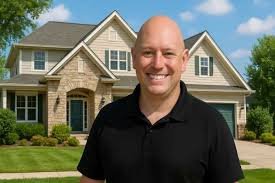
A 1970s ranch in Staunton or a farmhouse in Rockingham County can be a smart buy at the $240,000 to $310,000 price points common across the Valley, but only if the financing covers the repairs as well as the purchase. Many buyers assume one loan does both, or that every loan officer can write a renovation loan. Neither is true. Programs differ on who can use them, what condition the house must be in at closing, and how repair money reaches the contractor.
This guide comes from Duane Buziak, NMLS #1110647, a Virginia mortgage broker who works with homes across Augusta, Rockingham, Shenandoah, Warren, Page, and Frederick counties. It covers five realistic ways to finance a fixer upper, in the order that makes sense to check them, with payment math you can adapt. All rates, fees, and limits below are illustrations as of late 2026. Verify them before you rely on them.
1. USDA purchase with repairs built into the loan
USDA is the first program to check because it allows $0 down in eligible Valley areas, and many properties in Augusta, Rockingham, Page, and Shenandoah counties sit outside city limits and qualify. The common misconception is that USDA has a rehab product like FHA’s 203(k). It does not. What it offers is a guaranteed purchase loan on a home that is already safe, sound, and habitable, where the lender may reflect repairs in an as-completed appraisal. That is a value opinion based on the finished work, as opposed to an as-is appraisal, which values the house in its current condition.
The mechanism matters because USDA lets you finance up to the appraised value, not past it. If the as-completed value supports the repairs, they can be written into the loan. If it does not, you pay the gap in cash.
Here is an illustration, not a quote. Suppose a $275,000 home in an eligible Augusta County area needs a roof and new flooring, bid at $14,000. The as-completed appraisal comes back at $292,000. You borrow $289,000 with $0 down. Add the 1% upfront guarantee fee, financed, and the loan is about $291,890. At an illustrative 6.25%, principal and interest is roughly $1,797. The annual guarantee fee of 0.35% (as of this writing) adds about $85 a month, for roughly $1,882 before taxes and insurance.
- Enter the property address on the USDA property eligibility map.
- Check your household income against your county’s limit on the USDA Rural Development guaranteed loan page.
- Collect written contractor bids for every repair.
- Ask Duane Buziak whether a lender on his shelf will write the repairs into the loan for your specific property.
The costly mistake is making an offer on a home that fails USDA condition standards, such as a failing roof, no working heat, or a compromised foundation, and discovering it at appraisal. Rural properties also bring their own checks, which our guide to rural property mortgage financing walks through. What to measure: whether the address and household income clear the county limits, and the all-in monthly payment including the USDA fee.
2. VA loans for veterans buying homes that need work
The most common VA fixer-upper failure is a surprise at the appraisal. A buyer under contract learns that peeling paint, a roof near the end of its life, or a missing heat source must be fixed before closing, and the deal stalls with the closing date approaching. VA appraisers apply minimum property requirements (MPRs) that cover safety, sanitation, and structural soundness. Pre-1978 homes get extra scrutiny for deteriorated paint.
The upside is real. Eligible veterans can buy with 0% down, and the VA funding fee is waived for veterans receiving compensation for a service-connected disability. As an illustration, take a $310,000 purchase at 0% down with the fee waived and an illustrative 6.25% rate. Principal and interest is about $1,909 a month. Without the waiver, a first-use funding fee of 2.15% (as of this writing) would add about $6,665 to the loan.
VA has no standalone renovation product that matches 203(k), so repairs usually happen in one of two ways. The seller completes required items before closing, or you negotiate a price adjustment and pay for the work yourself. Some lenders offer a renovation overlay, but many do not, so confirm it before you write an offer. Veterans buying acreage or country homes can find more detail in our piece on choosing a VA loan mortgage broker for rural property.
- Request your Certificate of Eligibility through VA.gov.
- Walk the house with a contractor before you offer, and flag anything an appraiser would cite.
- Once the appraisal lists required repairs, decide with the seller who does each one and who pays.
- Ask whether the lender will allow a renovation overlay or only a standard VA purchase.
What to measure: the number of required repairs at appraisal, and the total cash to close once repair costs are counted. A VA loan with $0 down can still demand real cash if the seller refuses to fix a roof.
3. FHA 203(k): one loan for the purchase and the rehab
When a house is too far gone for USDA or VA, the FHA 203(k) is the purpose-built answer. One loan covers the purchase and the renovation, and the rehab money goes into escrow. The contractor is paid in draws as work is inspected and completed. There are two tracks. The Limited track suits cosmetic and non-structural work and, as of HUD’s current guidance, caps repairs at $75,000. The Standard track handles structural work and larger projects and requires a HUD consultant, who writes the scope of work and inspects the progress. Confirm current caps on HUD.gov.
Worked comparison: USDA versus FHA 203(k)
These figures are illustrative; verify rates, fees, and mortgage insurance. Take a $275,000 Augusta County purchase with a $40,000 rehab, at 6.25% on both loans.
- USDA, $0 down: $315,000 plus a 1% financed fee is about $318,150. Principal and interest is about $1,959, and the 0.35% annual fee adds about $93, for roughly $2,052 a month. This works only if the as-completed appraisal supports $315,000 and the lender will write the repairs in.
- FHA 203(k), 3.5% down ($9,625): a $265,375 base loan plus $40,000 is $305,375. The 1.75% upfront premium brings it to about $310,719. Principal and interest is about $1,913, and annual MIP at 0.55% adds about $142, for roughly $2,056 a month.
The monthly payments land within about $4 of each other. The real difference is cash at the start: FHA needs $9,625 down plus 203(k) fees, USDA needs none. FHA, though, will finance a $40,000 scope that USDA may not. For a closer look at how repair money gets released, see our overview of how to finance a fixer upper in the Shenandoah Valley.
The misconception worth killing is that any lender can write a 203(k). Many will not, because of the draw administration. Single-company lenders like Rocket, Movement, and ALCOVA work from their own product shelf and overlays, so if they decline, you are done. Duane Buziak, a Scotsman Guide Top Originator in both 2025 and 2026 with 1,400+ five-star reviews, brokers to 500+ wholesale lenders, so a 203(k) that one shop turns away can be placed with another. Our explainer on the difference between mortgage brokers and direct lenders shows why that matters.
- Choose Limited or Standard based on whether the work is structural.
- Hire a contractor with 203(k) experience who accepts the draw schedule.
- Add a contingency reserve, commonly 10% to 20% of the work, for surprises behind the walls.
- On a Standard loan, have the consultant prepare the work write-up before the appraisal.
The usual mistake is underestimating the timeline and the reserve. What to measure: total loan amount versus the as-completed appraised value, and weeks from contract to the final draw.
4. Conventional renovation loans: HomeStyle and CHOICERenovation
Fannie Mae’s HomeStyle and Freddie Mac’s CHOICERenovation finance the purchase and the improvements against the as-completed value. Both are conforming products, with a 2026 baseline limit of $806,500 and a high-cost limit of $1,249,125. Compared with FHA, they allow a wider range of work, and they do not require a HUD consultant. Renovation funds are generally capped at a share of the as-completed value, 75% under current published guidelines. Confirm the cap and the minimum down payment before you commit.
The rate is not what decides between conventional and FHA. Mortgage insurance is. Take an illustration: a $300,000 purchase with a $50,000 renovation, as-completed value of $350,000, and a 6.25% rate on both loans.
- Conventional, 5% down ($15,000): a $335,000 loan has principal and interest of about $2,063. With illustrative PMI at 0.5% for a strong credit score, add about $140, for roughly $2,202 a month.
- FHA 203(k), 3.5% down ($10,500): a $339,500 loan plus a 1.75% upfront premium is about $345,441. Principal and interest is about $2,127, and MIP at 0.55% adds about $158, for roughly $2,285 a month.
In this case conventional is about $83 a month cheaper and takes $4,500 more cash at closing. With a lower credit score, PMI rises sharply and FHA can win. FHA MIP also generally stays for the life of the loan when you put down less than 10%, while PMI can be removed later, as our timeline on how long you pay private mortgage insurance explains.
- Run a NoTouch Credit Pull, which lets Duane Buziak compare conventional and FHA pricing without a hard inquiry.
- Collect itemized contractor bids, not a single lump sum.
- Have the appraiser value the home as completed, using your bids and plans.
The mistake is comparing rates alone and ignoring insurance, which can flip the cheaper option over five years. If your score is the sticking point, review these low credit score mortgage options before choosing a program. What to measure: the monthly payment with mortgage insurance, and cash required at closing, side by side for both programs.
5. Buy first, renovate later: cash, savings, or a cash-out refinance
Sometimes the cleanest path is to avoid a renovation loan altogether. If the home qualifies on a standard loan as it stands and the work is mostly cosmetic, such as paint, flooring, and kitchen updates, you buy with a conventional, FHA, or VA mortgage, pay for the work from savings, and borrow against the added equity later if you need to.
Take an illustration. You buy a $255,000 Staunton home with 5% down, a $242,250 loan. You spend $20,000 in cash on cosmetic work, and after a year an appraisal comes in at $290,000. A conventional cash-out refinance is capped at 90% loan-to-value, or $261,000, which leaves about $18,750 before closing costs. A VA cash-out can reach 100% LTV, a much higher ceiling for eligible veterans. If you bought with cash, a delayed-financing exception may let you pull money back sooner, so ask about the seasoning rules for your loan.
The steps need to run in order, because each depends on the one before:
- Confirm the home qualifies without repairs, with working systems and a clean appraisal.
- Set aside a renovation budget before you close, so the work does not drain your reserves.
- Plan the refinance only after the improved appraisal supports it.
- Compare the refinance with a HELOC, which can cost less to open but usually carries a variable rate.
The main pitfall is assuming the post-renovation appraisal and the rate environment will cooperate. Appraisers value what comparable homes sold for, not what you spent, and a rate higher than your original one can erase the benefit of the equity. Refinance closing costs also vary, so it helps to know how to negotiate mortgage closing costs before you commit. What to measure: projected equity after renovation, and the break-even point, which is total refinance costs divided by the monthly savings or the value of the cash you gain. If you will not stay in the house past that point, the refinance is not worth doing.
Where to start: eligibility first, then compare renovation loans
Begin with the programs that cost the least cash. Check the property address on the USDA eligibility map and your income against the county limit. If you served, request your Certificate of Eligibility. If either path fits the house, it often beats a renovation loan on upfront cash.
If the home needs more work than USDA or VA will accept, compare an FHA 203(k) with a conventional renovation loan using a NoTouch Credit Pull and real contractor bids. Bids turn the comparison from guesswork into a payment you can see.
Ready to turn your Blue Ridge homeownership dreams into reality? Contact our local mortgage experts today to explore personalized loan solutions tailored to your unique financial situation. Whether you’re a first-time buyer or looking to refinance, we’ll guide you through every step with the competitive rates and trusted service our Virginia community relies on. You can also reach Duane Buziak at Blue Mountain Mortgages by Duane Buziak by phone at 804-212-8663.