
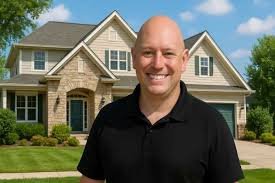
Yes, you can get a mortgage on a home with a private well and septic system. Across rural Rockingham and Augusta counties, plenty of homes outside town limits run on both, and lenders finance them every week. The conditions are that the water tests safe and the septic system works, and each loan program checks those two things in its own way.
The Shenandoah Valley sits on limestone karst, where surface water can reach groundwater quickly, so well testing is not a formality here. Private wells fall outside federal drinking water rules, which means the owner carries the responsibility, as the Virginia Department of Health private well program explains. That is why lenders want proof before closing. This explainer comes from Duane Buziak, NMLS #1110647, of Blue Mountain Mortgages by Duane Buziak, and covers well water septic mortgage requirements program by program.
What Lenders Actually Verify on a Private Well and Septic System
Appraisers and underwriters want two facts: the water is safe to drink, and the sewage system works without contaminating the water. The mortgage itself does not change because the home lacks public utilities. The rate, the loan structure, and the down payment options are the same. What changes is the paperwork that must clear before closing.
Terms you will see in the file
- Private well: a drilled or dug water source on the property, owned and maintained by the homeowner.
- Potability: whether the water is safe to drink, determined by laboratory results, not by taste or clarity.
- Drain field: the buried area where treated wastewater leaves the septic tank and soaks into the soil.
- Conventional septic: a tank and gravity-fed or pumped drain field, which works where the soil absorbs water well.
- Alternative septic: an engineered system used where soil or site conditions rule out a conventional one. These often come with maintenance or operating requirements.
- Perc test: a soil percolation test that measures how fast the ground absorbs water. It decides whether a site can support a drain field, and it matters most on new construction or lots without an existing permitted system.
Inspection is not the same as testing
A septic inspection checks mechanical function: the tank, baffles, pump, distribution box, and the condition of the drain field. A water quality test is a lab result from a sample drawn at the tap. One tells you the equipment works, the other tells you what is in the water. Neither tells you the other.
The most common misconception is that a clean general home inspection satisfies the lender. It does not. A general inspector may note that a well pump runs, but that is not a water test. Water testing and septic evaluation are separate steps, ordered by the appraiser, required by the loan program, or triggered by the local health department. Plan for both as their own line items.
Well Water Septic Mortgage Requirements by Loan Program: USDA, VA, FHA, and Conventional
All four programs accept private wells and septic systems. They differ in how prescriptive they are and who has the authority to require testing.
USDA Rural Development
USDA loans are the most natural fit for well-and-septic homes, since the eligible areas are rural by definition. A common myth is that USDA requires public water. It does not. Under USDA Handbook HB-1-3550, a property needs a safe water supply and an adequate sewage system, and an individual well and septic can qualify when they meet state and local requirements. USDA offers 100% financing, so a $0 down payment is accurate for eligible buyers.
Start with the USDA property eligibility map. Parts of Rockingham, Augusta, Shenandoah, Warren, Page, and Frederick counties are often eligible, while town and city centers such as Harrisonburg, Staunton, and Waynesboro generally are not, so check each address. Income limits are set by county and household size and updated periodically. Confirm the current 2026 figure for your county and household before you shop, since the limit can end the search before property rules matter.
VA
VA Minimum Property Requirements, in VA Pamphlet 26-7, require safe water and adequate sewage disposal. For a private well, a water test is typically required, and the VA appraiser or local health authority can specify what it must cover. Exact test lists and distance rules are set in the current pamphlet and can be tightened locally.
FHA
HUD Handbook 4000.1 sets standards for private water and sewage, including minimum separation between the well and the septic system. Local health department rules can be stricter, and the stricter rule controls. Ask the appraiser to document the distances, because a well too close to a drain field is one of the more common reasons an FHA file stalls.
Conventional
Fannie Mae and Freddie Mac guidelines generally accept private well and septic systems that meet local requirements, and the lender or appraiser can require testing when something looks off. See Fannie Mae’s Selling Guide property eligibility section for current wording. Conventional guidelines leave more discretion to the individual lender, and that discretion is where overlays appear.
Testing, Inspections, and What Happens When a System Fails
Lab turnaround and inspector scheduling are the usual reasons a well-and-septic closing slips, so the sequence matters.
- Day one after ratification: order the water test and the septic inspection. Do not wait for the general inspection to finish first.
- Water panel: typically total coliform and E. coli, nitrates, and sometimes lead, pH, or other items the appraiser or program requests. The EPA’s national drinking water standards set the nitrate limit at 10 mg/L (as nitrogen), and a detectable E. coli result is a failure.
- Septic evaluation: a licensed inspector checks the tank and drain field. For a system with a pump or alternative components, expect a functional test as well.
- Health department check: confirm with the local health district whether it requires anything at transfer. Virginia has no blanket statewide transfer inspection rule that applies everywhere, so ask the district office for your county.
Two state rules govern the underlying systems: the Virginia Department of Health’s private well regulations (12VAC5-630) and its sewage handling and disposal regulations (12VAC5-610).
When a test fails
A failed test does not kill the deal. A positive bacteria result is usually handled with shock chlorination of the well, followed by a retest. Nitrate or other contaminant failures can call for a treatment system, which the lender may need to see documented.
A failing drain field is more serious. The usual paths are a seller-funded repair, a renegotiated price, or a lender-approved repair escrow where the program permits one. Repair scopes and costs vary widely by site, so get written quotes from licensed contractors rather than relying on a general estimate. A deal cannot proceed when the system cannot be repaired to meet health department and program standards, or when the seller will not fix a failure that the program requires fixed before closing.
Worked Example: $275,000 Home on a Well and Septic in Augusta County
Suppose you are buying a $275,000 home outside Staunton, in Augusta County, on a well and septic system. The figures below use a 30-year fixed term and an illustrative 6.25% rate. They are an example, not a quote, and exclude taxes and homeowners insurance. Fee rates reflect what is believed current as of 2026 and can change.
USDA path: $0 down
- Base loan: $275,000
- Upfront guarantee fee of 1%: $2,750, financed, for a total loan of $277,750
- Principal and interest at 6.25%: about $1,710 per month
- Annual fee of 0.35%, paid monthly: about $81
- Estimated monthly total: about $1,791
FHA path: 3.5% down
- Down payment of 3.5%: $9,625, for a base loan of $265,375
- Upfront mortgage insurance premium of 1.75%: about $4,644, financed, for a total loan of about $270,019
- Principal and interest at 6.25%: about $1,663 per month
- Annual premium at an assumed 0.55%: about $122
- Estimated monthly total: about $1,784
The monthly payments land within roughly $7 of each other, but the FHA buyer brings $9,625 to the table and the USDA buyer brings nothing. That gap is the real comparison, and it only exists if the home and your income fit USDA rules.
Well and septic costs
A water test and a septic inspection are paid out of pocket, usually at the time of service. Prices vary by provider and by how extensive the test panel is, so get quotes before ordering. A USDA buyer with no down payment can cover these through savings or by negotiating seller concessions where program rules allow, which are limited by program and should be confirmed as of 2026. That is how you reach no-out-of-pocket closing options on FHA and conventional files, though the inspection and testing fees paid up front are separate.
Before you spend on any of it, Duane Buziak uses a NoTouch Credit Pull to show you a pre-approval range without a hard credit inquiry. You see where you stand before paying for testing on a house you might not buy.
Broker vs. Other Lenders on Well-and-Septic Purchases
When a lender balks at a well-and-septic file, the cause is usually an internal overlay, a rule stricter than the program minimum. A broker can move the file to another lender. A single-source lender cannot.
| Lender type | Loan program access | Handling of well, septic, and rural properties | Pre-approval credit pull |
|---|---|---|---|
| Duane Buziak, independent broker with a wide wholesale lender shelf | FHA, VA, USDA, conventional, jumbo, investment property, and refinance programs across many lenders | File can be placed with whichever lender’s guidelines fit the property, including rural Valley homes | NoTouch Credit Pull gives a pre-approval range without a hard inquiry |
| Alcova | Retail lender with Virginia branches; confirm current program list | Follows its own guidelines and overlays; confirm for well and septic files | Confirm with lender |
| Rocket Mortgage | National retail lender; confirm current program list | One set of company guidelines; confirm treatment of rural well and septic homes | Confirm with lender |
| Movement Mortgage | National retail lender with local loan officers; confirm current program list | One set of company guidelines; confirm treatment of rural well and septic homes | Confirm with lender |
| A local single-bank lender | Typically limited to that bank’s own products | One rate sheet and one set of overlays | Confirm with lender |
Duane Buziak’s record supports the structural advantage. He holds Scotsman Guide Top Originator recognition for 2025 and 2026 and more than 1,400 five-star reviews, and his wholesale access means a rejected well-and-septic property in one lender’s system is a routing question, not a dead end. Rate quotes and guideline details for the other companies above change often, so verify each directly.
The NoTouch Credit Pull matters most for buyers still deciding between properties. You can compare a well-and-septic home against a town-water listing and know your range before touching your credit.
Well Water and Septic Mortgage FAQs for Valley Buyers
Does a USDA loan in Rockingham County require a well water test?
Typically yes. USDA requires a safe water supply, and for a private well that generally means a lab test. The exact panel can depend on the appraiser and the local health district. Confirm the address first with the USDA eligibility map, since not every Rockingham County location qualifies.
Can I use an FHA loan on a Staunton-area home with a septic system?
Yes. FHA accepts septic systems that meet HUD Handbook 4000.1 and local health department standards. The appraiser reviews the system, and an inspection is commonly ordered. Homes in the Staunton area outside city sewer lines often use septic, and FHA financing is available on them when the system is verified as working.
What if a Shenandoah County well fails its bacteria test before closing?
The usual fix is shock chlorination followed by a retest. If the retest passes, the file moves forward. If it fails again, the seller may need to repair the well or install treatment. Closing generally waits until a passing result is documented for the lender.
Does the VA require a well test for an Augusta County purchase?
Water testing is typically required for private wells under VA Pamphlet 26-7, and the VA appraiser can specify the test. Requirements can be tightened by local health authorities. Confirm the current test list for your purchase before ordering, so you do not pay for a panel you must repeat.
How far must a well be from the septic system under FHA rules?
HUD Handbook 4000.1 sets minimum separation distances between a well and a septic system, and the local health department can require more. Check the current handbook and your county rule instead of relying on a remembered number. Ask the appraiser to document the measured distance in the report.
Who pays for the septic inspection in Frederick County?
It is negotiable. Buyers commonly pay for inspections to protect their own purchase, and some contracts shift the cost to the seller. The ratified contract controls. If the loan program requires the inspection, it must happen either way, so settle who pays before ordering.
Can a Warren County home with a shared well qualify?
Possibly. Shared wells are more complicated, and lenders typically look for a recorded, enforceable shared-well agreement covering access, maintenance, and cost sharing. Program and lender rules vary, and some lenders restrict them. A broker with many lender options can often find one whose guidelines fit the property.
Does Page County USDA eligibility cover rural Luray homes?
Many rural addresses around Luray fall inside USDA-eligible areas, but eligibility depends on the specific property, not the town name. Search the exact address on the USDA property eligibility map. Income limits for Page County and your household size also apply, so check the current 2026 limit.
Test the Water First, Then Pick the Loan
A home on a well and septic system is financeable when the water tests safe and the septic is verified early. Order both the day the contract is ratified, know which program’s rules apply, and keep your price negotiable until the results arrive.
Ready to turn your Blue Ridge homeownership dreams into reality? Contact our local mortgage experts today to explore personalized loan solutions tailored to your unique financial situation. Whether you’re a first-time buyer or looking to refinance, we’ll guide you through every step with the competitive rates and trusted service our Virginia community relies on. Start with a NoTouch Credit Pull pre-approval from Duane Buziak at Blue Mountain Mortgages by Duane Buziak.