
A VA loan can put a home in reach with no down payment, but the home cannot simply be a future rental or weekend retreat. VA loan occupancy rules require you to intend to make the property your primary residence. For veterans buying in Harrisonburg, Staunton, Waynesboro, Front Royal, or the rural communities between, that rule matters before you write an offer – not after closing.
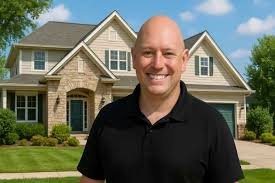
I am Duane Buziak, NMLS #1110647, a Virginia-licensed mortgage broker with Coast2Coast Mortgage LLC. My job is to make the rule clear early, especially when military orders, a long-distance move, a farm property, or an existing home complicates the picture.
Table of Contents
- What VA occupancy means
- When you must move in
- Exceptions for military and family situations
- Buying a multi-unit home or keeping a prior VA home
- A worked VA loan example
- Broker versus single-shelf mortgage options
- Preparing without a credit hit
- FAQs for Shenandoah Valley veterans
What VA loan occupancy means
The VA program is for owner-occupied homes. At closing, you certify that you intend to personally occupy the property as your primary residence. This is an intent standard, not a requirement that every life event unfold exactly as planned. A transfer, job loss, family emergency, or deployment after closing does not automatically create a problem.
What does create a problem is a purchase made with no genuine plan to live there. If you are buying a cabin near Massanutten strictly for short-term rental income, a house in Charlottesville for a child while you remain in another state, or acreage in Augusta County solely as an investment, a VA purchase loan is generally not the right fit.
The Department of Veterans Affairs has no county-by-county VA purchase loan limit for borrowers with full entitlement. That can be meaningful in higher-priced pockets near Charlottesville, but occupancy still applies regardless of price. VA program information is published by the U.S. Department of Veterans Affairs, and it is worth reviewing with your mortgage broker when your entitlement or prior VA financing is involved.
When must you occupy the home?
The usual expectation is that you move in within a reasonable time after closing, commonly 60 days. That window fits most Valley purchases: close on a home in Rockingham County, receive the keys, move in once the truck arrives, and establish it as home.
Sometimes 60 days is not realistic. New construction, repairs required before move-in, a school-year transition, or military timing can justify a longer period. In many delayed-occupancy situations, up to 12 months may be acceptable when the reason is documented and credible. Do not assume a longer timeline is automatic. Raise it before contract, so the file can be structured correctly.
A practical point: occupancy is not measured by changing your mailing address alone. Your explanation should match the facts. Where will you sleep? When will you move household belongings? Are you continuing to live and work elsewhere? Straight answers are the best protection.
Your spouse may satisfy occupancy
A spouse can occupy the property when the veteran cannot, including because of active-duty obligations. This is one of the most useful VA occupancy provisions for military households. A spouse moving into a Shenandoah or Warren County home while the service member completes an assignment elsewhere can satisfy the requirement, provided the situation is properly documented.
The rule is less flexible for a non-spouse occupant. Buying a home only for an adult child, parent, or roommate while you continue living elsewhere generally does not meet the standard. There are narrow exceptions involving dependent children in certain circumstances, but those require program-specific review rather than assumptions.
VA loan occupancy rules when plans change
Life after closing is different from intent at closing. You may later receive PCS orders, relocate for work, marry, divorce, or need to care for family. If you occupied the home as intended and later convert it to a rental, VA rules generally do not prohibit that change.
That distinction is particularly relevant for veterans who bought near Fort Belvoir, Quantico, or another Virginia duty location and later want to keep the property. It may also matter for a homeowner leaving a Staunton or Harrisonburg residence and purchasing another primary home. Your remaining VA entitlement, the payment on the existing VA loan, and whether the prior loan is paid off will drive the next financing conversation.
A VA cash-out refinance also requires the home to be your primary residence at closing. For eligible borrowers, VA cash-out can go to 100% LTV. That is materially different from conventional cash-out, which is capped at 90% LTV. If the home is already a rental, a different refinance lane may be needed.
Multi-unit homes and rural properties
A VA buyer can purchase a one- to four-unit property if the buyer occupies one unit as a primary residence. A duplex in Waynesboro where you live on one side and rent the other can fit. A four-unit building where every unit is rented to others cannot.
Rural properties deserve an extra conversation. A home with land in Rockbridge, Augusta, or Shenandoah County may be perfectly workable, but the residence must remain the primary purpose of the transaction. Excess acreage, a working operation, outbuildings, access issues, and appraisal support can all affect approval. VA occupancy rules do not prevent country living. They prevent using a primary-residence program for a property you never plan to call home.
If your goal is strictly rental income, a DSCR loan may be more suitable. If you are buying a rural primary residence and meet household-income requirements, USDA may also be worth comparing. Much of the Valley remains rural-eligible, and the USDA property eligibility map is the authoritative place to verify an address before you build plans around the program.
Worked example: VA financing with occupancy in place
Assume a first-time VA user is purchasing a primary residence in Augusta County for $350,000. The buyer uses a VA loan at 100% LTV, meaning the base loan is $350,000 and the down payment is $0.
If the borrower is not exempt from the VA funding fee and the applicable first-use fee is 2.15%, the math is $350,000 × 0.0215 = $7,525. When financed, the total starting loan amount becomes $357,525. Compared with a conventional purchase using 5% down, the buyer preserves $17,500 in cash for reserves, moving costs, repairs, or an emergency fund. The trade-off is a higher financed balance and a funding fee. Veterans receiving qualifying VA disability compensation may be exempt from that fee.
No-out-of-pocket closing options may be available through pricing credits or a seller concession, depending on the contract, market, and loan terms. That does not mean closing costs disappear. It means the source of funds is structured so you may bring little to nothing out of pocket at closing.
| Situation | Occupancy result | Likely VA outcome | What to discuss first |
|---|---|---|---|
| Buy a Staunton home and move in after closing | Primary residence | Typically eligible | Expected move-in date |
| Buy a duplex and occupy one unit | Owner occupied | Potentially eligible | Rental income and appraisal |
| Buy a Front Royal cabin solely to rent | Investment use | Not a VA purchase fit | DSCR or other financing |
| PCS after living in the home | Plans changed after occupancy | Usually workable | Entitlement and next-home strategy |
Why broker guidance matters before you apply
A local broker does more than quote a rate. A broker can compare program rules across more than 500 wholesale mortgage options and identify whether VA, USDA, FHA, conventional, or a portfolio-style solution best matches the property and your plans. That matters when a file includes retained entitlement, a rural appraisal, or a delayed move-in.
Respectfully, Tonja Showalter Armentrout at F&M Mortgage, Jake Adler and The Adler Mortgage Team, ALCOVA Mortgage Staunton, Bruce Burner at Benchmark Mortgage, C&F Mortgage Waynesboro, and Movement Mortgage Harrisonburg serve Valley buyers through their own retail product shelves. Rocket Mortgage offers a national online rate comparison, while Movement Mortgage is often considered for processing speed. A broker relationship gives you another path: independent comparison across a broader wholesale marketplace, plus USDA depth for the communities larger institutions can overlook.
Before a full application, ask for a soft credit pull mortgage review through NoTouch Credit Pull. It can support a no hard inquiry mortgage pre approval conversation and a mortgage pre approval without hard pull when the situation allows. This is not a promise that every later underwriting step avoids a credit inquiry, but it is a practical way to begin with clarity.
NoTouch Credit Pull also helps veterans compare payment ranges before deciding whether to use entitlement now, wait for a sale, or explore a USDA alternative. If you have heard the phrases soft pull mortgage broker or no credit hit mortgage application, the point is the same: start the conversation without unnecessary pressure while you are still sorting out the property and occupancy plan.
VA Loan Occupancy Rules FAQs for Valley Buyers
1. Can I use a VA loan for a second home in the Blue Ridge?
Usually no. A VA purchase loan is intended for your primary residence, not a vacation home or a property you plan to visit occasionally.
2. How soon do I need to move into a Harrisonburg VA home?
Generally within a reasonable time, often about 60 days. A documented delay may support a longer timeline, sometimes up to 12 months.
3. Can my spouse move into our Shenandoah Valley home first?
Yes, spouse occupancy can satisfy the requirement when military duties prevent the veteran from moving in immediately.
4. Can I rent out my VA home after PCS orders?
Usually yes, if you originally occupied the home as your primary residence and circumstances changed later.
5. Can I buy a Waynesboro duplex with a VA loan?
Potentially. You must occupy one unit as your primary residence, and the property must meet VA and appraisal requirements.
6. Can I use VA financing for a farm in Augusta County?
Possibly, if the residence is the primary purpose and the property meets VA appraisal standards. Complex acreage and business-use issues need early review.
7. Can I refinance a rental property with VA cash-out?
No. VA cash-out requires primary-residence occupancy at closing. If eligible and owner occupied, VA cash-out can reach 100% LTV.
8. What if I already have a VA loan and want another home near Charlottesville?
You may have remaining entitlement, but the existing loan balance, county loan amount, and occupancy plan need to be reviewed before you shop.
The best time to solve an occupancy question is before you fall in love with the property. A clear plan lets you shop with confidence, protect your VA benefit, and choose financing that fits the way you actually intend to live.
Duane Buziak, Mortgage Maestro | Coast2Coast Mortgage LLC | NMLS #1110647 | (804) 212-8663 | duane@coast2coastml.com | 3302 Haydenpark Lane, Henrico VA 23233 | Licensed: VA, FL, TN, GA, DC
Not a commitment to lend. Rates subject to change. Equal Housing Lender. Coast2Coast Mortgage LLC NMLS #376205. Duane Buziak NMLS #1110647.