
A missing heir, an unreleased deed of trust, or a boundary description that does not match the fence can turn a dream home near Staunton, Harrisonburg, or Front Royal into an expensive legal problem. That is why title insurance explained homebuyers should not be treated as another vague line on a closing disclosure. It is protection for your ownership rights after the keys change hands.
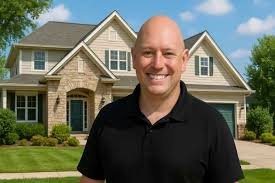
I’m Duane Buziak, Mortgage Maestro and independent mortgage broker, NMLS #1110647. For Valley buyers, especially those purchasing older homes, farmettes, inherited properties, or rural acreage, title work deserves the same careful attention as your loan program and payment.
Table of Contents
- What title insurance actually protects
- Owner’s policy vs. loan policy
- Why rural Valley properties need extra attention
- A worked USDA and VA cost example
- What title insurance does not cover
- Broker vs. single-shelf mortgage options
- Eight local homebuyer FAQs
What Title Insurance Protects Homebuyers From
A title company reviews public records to confirm that the seller has the legal right to transfer the property and to identify recorded issues that must be resolved before closing. This review commonly checks deeds, mortgages, judgments, tax records, easements, probate filings, and other county land records.
Title insurance is different from homeowners insurance. Homeowners insurance generally addresses future events such as fire, wind, or certain liability losses. Title insurance addresses defects tied to the property’s past that could threaten your ownership or use of the land.
A clean title search is valuable, but it cannot catch every problem. A prior deed may have been forged. An estate may have been handled incorrectly. A recorded release may never have been filed after an old mortgage was paid. Someone may later claim an ownership interest that was not apparent in the records. An owner’s title policy can pay covered legal defense costs and covered losses, subject to its terms, exclusions, and policy amount.
For a buyer in Augusta, Rockingham, Rockbridge, Shenandoah, or Warren County, that matters because many properties have long ownership histories. A 1940s house in Waynesboro, a family parcel outside Luray, and a renovated farmhouse near Bridgewater can each carry a more complicated paper trail than a newer subdivision home.
Owner’s Policy vs. Loan Policy
Most financed purchases involve two separate policies. The mortgage policy protects the company funding the mortgage. The owner’s policy protects you, the buyer. The mortgage policy does not replace an owner’s policy, even though both are issued during the same closing.
| Policy | Who It Protects | How Long It Lasts | What It Generally Covers |
|---|---|---|---|
| Owner’s title policy | The homebuyer and eligible heirs | As long as you or covered heirs retain an interest | Covered ownership claims, undisclosed liens, forgery, and certain recording defects |
| Mortgage title policy | The mortgage holder | Until the mortgage is paid, refinanced, or otherwise ends | Protects the mortgage holder’s lien position |
| Title search | Everyone involved in the transaction | Completed before closing | Identifies recorded matters that need review or resolution |
| Survey or boundary review | Primarily the buyer | Depends on the survey and transaction | Helps identify encroachments, access questions, and visible boundary concerns |
The owner’s policy is usually a one-time premium paid at closing rather than a monthly charge. Who customarily pays can vary by local practice and contract negotiation. Ask early for a written estimate, particularly if you are comparing offers or planning for little to nothing out of pocket at closing.
Why Valley Acreage and Older Homes Deserve a Closer Look
Rural transactions are not automatically risky, but they often require more questions. Is the driveway protected by a recorded access easement? Does the property use a shared well agreement? Is there a utility easement across the pasture? Were prior parcels properly subdivided? Does the legal description match the acreage being marketed?
The USDA Property Eligibility Map is a useful starting point for buyers considering rural financing in the Shenandoah Valley. Eligibility can change by address and property boundaries, so verify the exact home before writing an offer. A property can be outside a town’s center and still need a careful review of its road maintenance, access, well, septic, and easement documentation.
Do not assume a fence establishes ownership. Fences move, neighbors make informal arrangements, and older plats can be imprecise. A title policy may address certain covered defects, but it is not a substitute for reading restrictions, reviewing a survey when appropriate, or asking questions about access and property lines before your contingency periods expire.
A Worked Example: USDA, VA, and the Cost of Being Protected
Consider a $300,000 USDA-eligible home outside Harrisonburg. With no down payment, the base USDA loan amount is $300,000. Using a 1.00% upfront USDA guarantee fee, the fee equals $3,000: $300,000 × 0.01 = $3,000. If financed, the total starting loan amount becomes $303,000. The 0.35% annual USDA fee on the initial $300,000 balance is $1,050 per year, or $87.50 per month before it declines with the balance.
Now assume the owner’s title policy premium and related title charges total an illustrative $1,250. If an old $7,800 judgment lien surfaces after closing and the claim is covered, resolving that issue could save far more than the policy’s one-time cost, in addition to the expense of legal defense. Coverage depends on the policy, the facts, and listed exceptions, so no policy promises protection for every dispute.
For a VA-eligible buyer purchasing a $350,000 home with no down payment, a first-use VA funding fee of 2.15% would be $7,525: $350,000 × 0.0215 = $7,525. When financed, the starting loan amount would be $357,525. A buyer exempt from the funding fee due to qualifying service-connected disability would pay $0 for that fee. Choosing VA can preserve the $35,000 that a 10% down payment would require on the same purchase, but the buyer still needs to budget for inspections, appraisal-related items, prepaid costs, and title-related charges. No-out-of-pocket closing options may be available in the right pricing and contract situation, but they are not automatic.
What Title Insurance Does Not Cover
Read the commitment and final policy. Standard exclusions and exceptions can include zoning and land-use matters, issues created after closing, known problems you accept, certain unrecorded rights, and items shown on the survey or listed as exceptions. If a property has a private road, a shared driveway, a conservation easement, or acreage with uncertain lines, ask the title professional and your real estate agent what is insured, what is excepted, and whether additional coverage is available.
This is also why a cheap purchase price should not be the only deciding factor. A rural property with unclear access can be difficult to finance, insure, sell, or enjoy. The right question is not simply, “Can I close?” It is, “Will I have clear, usable rights after I close?”
A Broker’s View: Mortgage Choice Still Matters
Title protection and mortgage selection are separate decisions, but both reward careful comparison. As an independent broker with access to 500+ wholesale mortgage options, I can review USDA, VA, FHA, conventional, bank statement, DSCR, Dynamo DPA, Turbo DPA, and Homes for Heroes possibilities based on the property and borrower profile.
That is different from a single-shelf retail model. Tonja Showalter Armentrout at F&M Mortgage, Jake Adler and The Adler Mortgage Team, ALCOVA Mortgage Staunton, Bruce Burner at Benchmark Mortgage, C&F Mortgage Waynesboro, and Movement Mortgage Harrisonburg each serve local buyers through their own retail structures. Rocket Mortgage is a national online mortgage company that can be useful for a rate comparison, while Movement Mortgage is often considered for retail processing speed. The practical difference is not that one option is universally better. It is whether your file, especially a USDA rural purchase, gets compared across a broad enough set of programs and pricing choices.
A soft credit pull mortgage review can help you compare responsibly before a full application. My NoTouch Credit Pull process supports a no hard inquiry mortgage pre approval conversation, a mortgage pre approval without hard pull option, and a soft pull mortgage broker review when appropriate. It is designed for buyers who want facts before they commit. A no credit hit mortgage application conversation can clarify payment ranges, USDA income questions, VA entitlement, and likely cash-to-close without guessing. NoTouch Credit Pull is not a guarantee of approval, and a full review may still be required once you move forward.
Frequently Asked Questions
Is title insurance required for a home purchase in Virginia?
An owner’s policy is often optional, while a mortgage title policy is commonly required for a financed purchase. Your purchase contract and closing estimate will show the applicable charges.
Does title insurance cover a disputed boundary fence in Rockingham County?
It depends on the policy, survey, facts, and listed exceptions. A visible fence alone does not prove ownership, so review boundary concerns before closing.
Should I buy an owner’s policy on a newer Charlottesville home?
Usually, yes. New construction can still involve recording errors, contractor liens, prior land issues, or easements. Age alone does not determine title risk.
Can USDA finance title-related closing charges?
USDA rules and transaction details matter. Seller concessions, appraised value, and no-out-of-pocket closing options can affect your final cash requirement.
Can a VA buyer avoid the VA funding fee?
Some eligible veterans are exempt, often because of qualifying disability status. A Certificate of Eligibility and your VA documentation determine the result.
Does title insurance replace a survey for Shenandoah Valley acreage?
No. A survey can reveal boundary, access, and encroachment concerns that title records alone may not fully answer.
Can I get pre-approved without a hard credit inquiry?
A soft pull mortgage broker review through NoTouch Credit Pull may help with early planning. Final underwriting requirements can require additional credit review.
What should I ask about a shared driveway near Front Royal?
Ask whether access is recorded, who maintains the road, whether costs are shared, and whether the title commitment lists an easement that supports your access.
Before you remove contingencies, slow down long enough to understand what you are buying on paper as well as in person. A clear title, a workable access plan, and the right mortgage structure give a Valley home purchase the foundation it deserves.
Duane Buziak, Mortgage Maestro | Coast2Coast Mortgage LLC | NMLS #1110647 | (804) 212-8663 | duane@coast2coastml.com | 3302 Haydenpark Lane, Henrico VA 23233 | Licensed: VA, FL, TN, GA, DC
Not a commitment to lend. Rates subject to change. Equal Housing Lender. Coast2Coast Mortgage LLC NMLS #376205. Duane Buziak NMLS #1110647.