
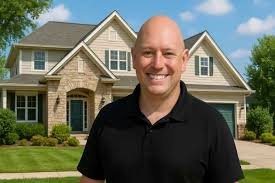
Saturday open houses look fun until the numbers get real. A charming farmhouse outside Waynesboro or a starter home near Western Charlottesville can feel within reach right up until you start asking what the monthly payment really looks like, how much cash you need, and whether your credit is good enough. That is where first time home buyer guidance matters most – not as sales talk, but as clear, local advice that helps you make a smart decision.
Buying your first home is part financial move, part life move. You are not just choosing a property. You are deciding what kind of payment fits your life, how much flexibility you want in your budget, and how much risk you are comfortable taking on. In a market like the Shenandoah Valley and the communities along the Blue Ridge, those decisions can look different from what you see in generic national advice.
What first-time buyers usually get wrong
Most first-time buyers do not start too late. They start with the wrong question. Instead of asking, “What home can I afford without feeling squeezed six months from now?” they ask, “What is the maximum I can qualify for?”
Those are not the same thing.
A lender may be able to approve you for more than you actually want to spend comfortably. That is especially true if you have low debt, strong income, or access to a low-down-payment program. But your real buying range should leave room for groceries, childcare, car repairs, travel, and the ordinary surprises that come with owning a home in Virginia.
The other common mistake is focusing only on the down payment. Yes, your down payment matters. So do closing costs, prepaid taxes and insurance, earnest money, inspection fees, moving costs, and the first round of repairs or purchases after you get the keys. First time home buyer guidance should help you see the full picture, not just one number on a loan estimate.
First time home buyer guidance starts with your budget
Before you browse listings too seriously, get honest about your monthly comfort zone. That means more than plugging income into a calculator. You want to look at your actual spending habits and your future plans.
If you are planning for a child, commuting farther, changing jobs, or carrying student loans that are currently manageable but still significant, your mortgage should reflect that reality. A payment that looks fine on paper can feel very different when life gets busy.
A practical way to think about your budget is to build from the monthly payment backward. Estimate principal, interest, property taxes, homeowners insurance, and if applicable, mortgage insurance or HOA dues. Then ask yourself whether that payment still feels reasonable after your normal savings goals and everyday expenses.
This is where local guidance helps. Property taxes, insurance costs, and even the likelihood of needing well or septic evaluations can vary depending on whether you are buying closer to Charlottesville, in Augusta County, or farther into more rural areas.
Understanding your loan options without the jargon
First-time buyers often assume there is one standard mortgage and that the main difference is the interest rate. In reality, the right loan depends on your credit profile, cash reserves, debt levels, and the kind of home you want to buy.
Conventional loans can be a strong fit if your credit is solid and you want competitive terms. FHA loans may help if your credit history is still developing or your down payment is limited. VA loans can be a major advantage for eligible veterans and service members, especially because they may reduce upfront cash needs. USDA loans are worth a close look for buyers considering eligible rural areas, which can include communities that are not as remote as people assume.
The trade-off is that each option comes with different rules, costs, and long-term effects. A lower down payment may help you buy sooner, but it can also mean mortgage insurance or a higher monthly payment. A stricter loan program may offer benefits, but it may also place more limits on property condition or documentation.
That is why good first-time home buyer guidance does not start with “Here is our best rate.” It starts with “Tell us about your goals, your timeline, and how you want this payment to feel.”
Credit matters, but not always in the way people think
Many first-time buyers delay the process because they assume their credit is not good enough. Sometimes that concern is valid. Often, it is incomplete.
Your credit score matters, but so does what is inside the report. A buyer with a decent score and unstable payment history may have fewer attractive options than a buyer with a slightly lower score but stronger overall patterns. Lenders also look at debt-to-income ratio, employment history, reserves, and the type of loan you are seeking.
If your credit needs work, that does not always mean waiting years. It may mean paying down a specific balance, correcting a reporting issue, avoiding new debt, or simply showing a few more months of stable payment behavior. The key is not guessing. It is getting a realistic review early enough to make targeted improvements.
Why preapproval changes the experience
Preapproval is not just a document for your real estate agent. It is a filter that protects your time and your expectations.
Without preapproval, it is easy to fall for homes outside your comfortable range or underestimate what sellers will expect from a serious buyer. With preapproval, you have a clearer sense of price range, monthly payment, and the loan structure behind your offer.
In competitive pockets of the local market, that clarity can help you move faster. In slower segments, it still matters because it keeps you grounded. You can evaluate homes based on fit, not fantasy.
A good preapproval conversation should also cover the “what ifs.” What if rates change before you go under contract? What if the home needs repairs? What if you want to keep more cash on hand rather than putting every available dollar toward the down payment? These are normal questions, and a good mortgage advisor should welcome them.
Local housing realities shape smart decisions
National articles often treat first-time buying like the same process in every ZIP code. It is not.
In this part of Virginia, buyers may be choosing between town living, small-lot subdivisions, older homes with character, and rural properties with acreage. Those choices affect financing, inspections, insurance, and maintenance. A lower purchase price on a rural home may come with different utility systems or repair concerns. An older property near an established neighborhood may offer charm and location, but also higher upkeep.
This is where working with a local, advisory-minded team can make a real difference. Blue Mountain Mortgages understands that buying near the Blue Ridge is not just about qualifying for a loan. It is about matching the financing to the home, the area, and the way you actually plan to live.
Cash to close is only part of the story
One of the healthiest mindset shifts for first-time buyers is this: you do not need to spend every available dollar to make a strong purchase.
Some buyers are so focused on reaching a 20 percent down payment that they drain savings or postpone buying longer than necessary. In some cases, waiting makes sense. In others, a lower down payment paired with strong reserves is the better move. It depends on your income stability, emergency savings, repair tolerance, and how long you plan to stay in the home.
Having money left after closing can reduce stress in a big way. New locks, paint, appliances, moving expenses, and the first unexpected repair tend to show up quickly. Financial breathing room matters.
The best guidance keeps you from rushing
Buying your first home should feel exciting, but it should not feel rushed. If it does, something is off.
Maybe the price range needs adjusting. Maybe the loan options have not been explained clearly enough. Maybe you need more time to strengthen credit or build savings. None of that means you are failing. It means you are making a major decision with care.
The best first time home buyer guidance gives you confidence without pressure. It helps you understand what you can do now, what may need improvement, and what options make sense for your life rather than someone else’s timeline.
A first home does not need to be perfect to be a good decision. It needs to be affordable, appropriate, and supportive of the life you are building. When the numbers make sense and the path feels clear, the process gets a lot less intimidating – and a lot more rewarding.
If you are thinking about buying in the Shenandoah Valley, Augusta County, Waynesboro, or the communities west of Charlottesville, start with the questions you have been carrying around. The right guidance is not about having every answer on day one. It is about having a trusted local partner who can help you ask better questions before you sign anything.