
A USDA loan can be the difference between continuing to rent in Harrisonburg or buying that house outside Bridgewater with no down payment. But USDA broker reviews can be frustratingly vague. A five-star rating is encouraging, but it does not tell you whether the broker understands USDA income rules, property eligibility, guarantee-fee math, or how to structure a rural purchase contract that actually closes.
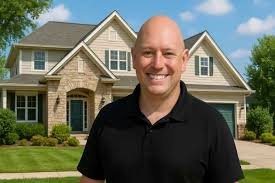
I am Duane Buziak, Mortgage Maestro, NMLS #1110647, an independent mortgage broker serving Virginia buyers who need straight answers on rural financing. For Shenandoah Valley buyers, the right review is not simply about friendliness. It should show whether a broker delivered accurate guidance when the file got complicated.
Table of Contents
- What useful USDA broker reviews actually reveal
- Questions Valley buyers should ask before applying
- A real USDA payment and fee example
- Independent broker versus single-shelf mortgage options
- Credit checks and pre-approval choices
- Eight local USDA questions answered
What USDA Broker Reviews Should Actually Tell You
USDA is built for eligible rural areas, but “rural” does not always mean remote. Many properties outside the core boundaries of Charlottesville, Harrisonburg, Staunton, Waynesboro, Front Royal, and Winchester may qualify. Eligibility is address-specific, not a countywide promise. Buyers should verify the exact home through the USDA Property Eligibility Map before making assumptions based on a listing description. The official map is the local source that matters most because boundary lines can change street by street.
A meaningful review often mentions a specific obstacle: a household-income question, an acreage concern, a repair issue, a delayed appraisal, or uncertainty about whether a property was eligible. Those details show the broker did more than quote a rate. They show the borrower received guidance through the decision points that can derail a USDA transaction.
Be cautious with reviews that only say “easy” or “great service.” Good service matters, especially when you are buying your first home in Rockingham, Augusta, Rockbridge, Shenandoah, or Warren County. Still, USDA experience should be visible in the story. Look for references to no-down-payment financing, eligibility confirmation, income documentation, seller credits, and clear closing expectations.
The review signals that matter most
The strongest reviews answer three practical questions. First, did the broker explain the program before the buyer wrote an offer? Second, did the buyer understand their cash needed before closing? Third, did the broker remain available when the contract, appraisal, or underwriting process needed attention?
Also look at timing and patterns. One review can be a lucky outcome. A consistent record of borrowers mentioning responsiveness, clear explanations, and problem-solving tells you more. If several reviews come from buyers in smaller Valley communities, that is useful context because rural properties regularly bring issues that suburban cookie-cutter transactions do not.
Questions to Ask Beyond the Reviews
Before choosing a USDA broker, ask whether they will check the property address early, review household income rather than only borrower income, and explain the upfront guarantee fee. Ask how they handle homes with wells, septic systems, shared driveways, outbuildings, or acreage. None of these automatically disqualify a purchase, but each deserves an informed conversation before you spend money on inspections and an appraisal.
You should also ask about rate options and fees in writing. A lower rate may require more closing costs. A slightly higher rate may support no-out-of-pocket closing options through a credit structure, depending on the file and market conditions. Neither path is automatically better. The right choice depends on how long you expect to keep the home, your available funds, and the contract terms.
For buyers worried about credit, ask how pre-qualification is handled. I offer NoTouch Credit Pull, a soft credit pull mortgage approach designed to start the conversation without an immediate full credit inquiry. That can be especially helpful for buyers exploring a mortgage pre approval without hard pull before they are ready to make an offer.
A no hard inquiry mortgage pre approval conversation is not the same as final approval. It is a planning tool. A soft pull mortgage broker can review likely pricing, debts, and purchase readiness, while final underwriting will require full documentation and appropriate credit verification. If you are searching for a no credit hit mortgage application, get clarity on what happens at each stage rather than relying on a marketing phrase.
A Worked USDA Example With Real Numbers
Consider a buyer purchasing an eligible home near Mount Jackson for $300,000. With USDA financing, the base loan can be $300,000 because there is no required down payment. Assume the current upfront USDA guarantee fee is 1.00%.
The guarantee fee is $300,000 × 1.00% = $3,000. When financed into the loan, the starting loan amount becomes $303,000. If the annual fee is 0.35%, the first-year annual charge is $303,000 × 0.35% = $1,060.50, or about $88.38 per month. That monthly fee typically changes as the balance changes.
For perspective, a 3% down conventional purchase at the same $300,000 price requires $9,000 down before closing costs. USDA preserves that $9,000 for reserves, moving expenses, repairs, or a stronger inspection response. Conventional cash-out refinancing, by contrast, is capped at 90% loan-to-value. VA cash-out can reach 100% loan-to-value for qualified veterans, which is one reason VA deserves a separate comparison when eligibility is available.
| Program | Purchase Price | Required Down Payment | Starting Loan Before/After Fee |
|---|---|---|---|
| USDA | $300,000 | $0 | $300,000 / $303,000 with 1.00% fee |
| Conventional 3% down | $300,000 | $9,000 | $291,000 |
| FHA 3.5% down | $300,000 | $10,500 | $289,500 before financed mortgage insurance |
| VA, eligible veteran | $300,000 | $0 | Varies with funding-fee status and use |
This is an illustration, not a quote. Rate, payment, annual fee, taxes, insurance, seller concessions, and eligibility all affect the final numbers.
Independent Broker Versus a Single-Shelf Option
Reviews should help you understand the difference between personal service and product access. An independent broker can compare options through a broad wholesale marketplace rather than placing every borrower on one product shelf. I work with access to 500+ wholesale lenders and focus heavily on USDA, which matters when a file needs a second look or a property presents rural-specific questions.
That does not mean local retail teams cannot serve buyers well. Tonja Showalter Armentrout at F&M Mortgage is a Valley institution with a long USDA presence. Jake Adler and The Adler Mortgage Team, ALCOVA Mortgage Staunton, Bruce Burner at Benchmark Mortgage, C&F Mortgage Waynesboro, and Movement Mortgage Harrisonburg are recognizable local retail options. Rocket Mortgage is a national online mortgage brand often used for rate comparison, while Movement Mortgage is frequently associated with processing speed.
The practical difference is selection. A retail office generally works from its organization’s available shelf. A broker’s job is to compare among available wholesale outlets and identify the fit for the borrower, property, timing, and pricing. That is the broker-versus-bank question worth asking, not whether one professional is inherently better than another.
For a USDA borrower near Elkton or Lexington, program depth can matter more than a slick portal. A fast answer about income limits or property eligibility can protect an offer. A 24-Hr Guarantee on communication and a Dare to Compare pricing conversation give buyers a concrete way to evaluate service rather than relying on star ratings alone.
When USDA Is Not the Best Fit
USDA is powerful, but it is not universal. Household income limits may rule it out, the property may sit outside an eligible area, or a buyer may prefer a different structure. Veterans with eligibility should compare USDA with VA, including VA options available down to a 500 FICO score in appropriate circumstances. First-time buyers may also evaluate FHA, Dynamo DPA, Turbo DPA, or Homes for Heroes when the property or income does not fit USDA.
For self-employed buyers, Bank Statement financing may be more practical than forcing a tax-return profile into the wrong program. Rural investors purchasing non-owner-occupied property may need DSCR financing instead. The best USDA broker reviews often describe this honesty: a broker who explains when USDA works and when another path is better.
Frequently Asked Questions
Can I use USDA in Harrisonburg or Staunton?
Possibly, but USDA eligibility depends on the exact address. Many homes outside city boundaries and in surrounding Valley communities qualify, while nearby addresses may not.
Does USDA require a down payment in Rockingham County?
Qualified USDA purchases can be financed with no required down payment. Buyers may still need funds for inspections, earnest money, or costs not covered by credits.
Are USDA income limits based only on my income?
No. USDA generally considers household income, which can include income from adult household members even if they are not on the loan.
Can a home with a well and septic system qualify near Front Royal?
Yes, potentially. The systems must meet applicable property and appraisal standards. Review them early, particularly for older rural homes.
Is NoTouch Credit Pull a hard credit inquiry?
NoTouch Credit Pull begins with a soft pull mortgage review. A full credit report may be needed later when you move into formal processing.
Can VA be better than USDA for a Valley veteran?
Often, yes. VA has no required down payment for eligible buyers and can offer different fee and underwriting advantages. Compare both before choosing.
What should I watch for in USDA broker reviews?
Look for specific mentions of income analysis, address eligibility, clear fee explanations, rural-property experience, and communication after the contract is signed.
Can I refinance with USDA after buying in Augusta County?
A USDA refinance may be available if you meet program and property requirements. Your current loan, equity position, income, and refinance purpose will determine the best route.
A review should give you confidence, but your own conversation should give you clarity. Bring the property address, your estimated household income, and your questions. The right broker will make the next step feel understandable before you commit to a contract.
Duane Buziak, Mortgage Maestro | Coast2Coast Mortgage LLC | NMLS #1110647 | (804) 212-8663 | duane@coast2coastml.com | 3302 Haydenpark Lane, Henrico VA 23233 | Licensed: VA, FL, TN, GA, DC
Not a commitment to lend. Rates subject to change. Equal Housing Lender. Coast2Coast Mortgage LLC NMLS #376205. Duane Buziak NMLS #1110647.